A Ford Ranger Super Duty canopy setup needs more thought than picking a tray, adding storage, and hoping everything works once the vehicle lands. If you’re planning to use the Super Duty for trade, touring, towing, fleet work, or remote travel, the tray and canopy should be treated as part of the vehicle build from the start.
The right setup affects payload, access, tool storage, electrical planning, roof loads, water systems, drawers, lighting, and how the ute handles daily work. It also shapes how easy the vehicle is to live with after delivery, from loading gear on a Monday morning to packing for a long weekend off-grid.
The Ford Ranger Super Duty is built for buyers who need serious carrying capability — heavy tools, towing, fleet work, remote touring gear, or long days on rough tracks and job sites. That makes the tray and canopy setup a core part of the build, not an afterthought.
The best Ranger Super Duty fit out starts with the daily job. A plumber would need a different layout from a tourer.
Fleet buyers may care more about repeatable setups, driver handover, and reduced downtime. A touring owner may be focused on dust sealing, camp access, roof load, and keeping weight low. A tradie usually needs quick access, secure storage, and a tray that can handle hard daily use. Once the use case is clear, the tray and canopy choices become much easier.
Payload gets used faster than many buyers expect. Tools, drawers, fridge slides, water tanks, batteries, roof gear, spare wheels, recovery equipment, and towing accessories all add weight. Planning these items early helps keep the build practical once the ute is fully loaded.
A good canopy and tray setup for a Ford Ranger Super Duty should support the vehicle’s capability without making the final fit-out awkward to use. Heavy gear should sit low where possible, with regular-use items placed where they’re easy to reach.
A tray and canopy need to work with the vehicle’s cab type, mounting points, body profile, factory technology, and accessory plans. Small fitment decisions can shape the whole ownership experience, from rear visibility and wind noise to load access and future upgrades.
That’s where a purpose-built Horizon tray for the Ford Ranger Super Duty becomes important. It gives the build a solid starting point for storage, load restraint, canopy integration, and long-term use. When the base is right the rest of the setup has a much better chance of feeling sorted from the first drive.
A strong Ford Ranger Super Duty tray and canopy setup starts with the work the ute needs to do every week. A builder carrying all their equipment will need a different layout from a tourer packing travel gear.
A tray-only setup can suit trade, fleet, rural, and site-based work where the load changes often. The priority is a tough tray with secure tie-down points, practical underbody storage, easy access, and enough durability for daily loading.
This setup works well for buyers who need open space for materials, machinery, boxes, drums, or bulky gear that changes from job to job.
A tray and canopy setup gives the Super Duty secure storage, weather protection, and a more organised fit-out. Buyers planning a Ford Ranger Super Duty canopy should think through the whole system early, including mounting, sealing, lighting, drawers, fridge access, battery systems, water storage, roof gear, and future accessories.
The tray and canopy need to work together from the start. That makes access easier, protects gear properly, and gives the build a cleaner path for future upgrades.
Trade buyers usually need fast tool access, strong sealing, practical lighting, and storage that can handle rough daily use.
Touring buyers often need modular storage, fridge and kitchen access, water, solar, recovery gear, and smart weight placement for long trips. Fleet buyers tend to need repeatable layouts that are easy to use, inspect, maintain, and hand over between drivers.
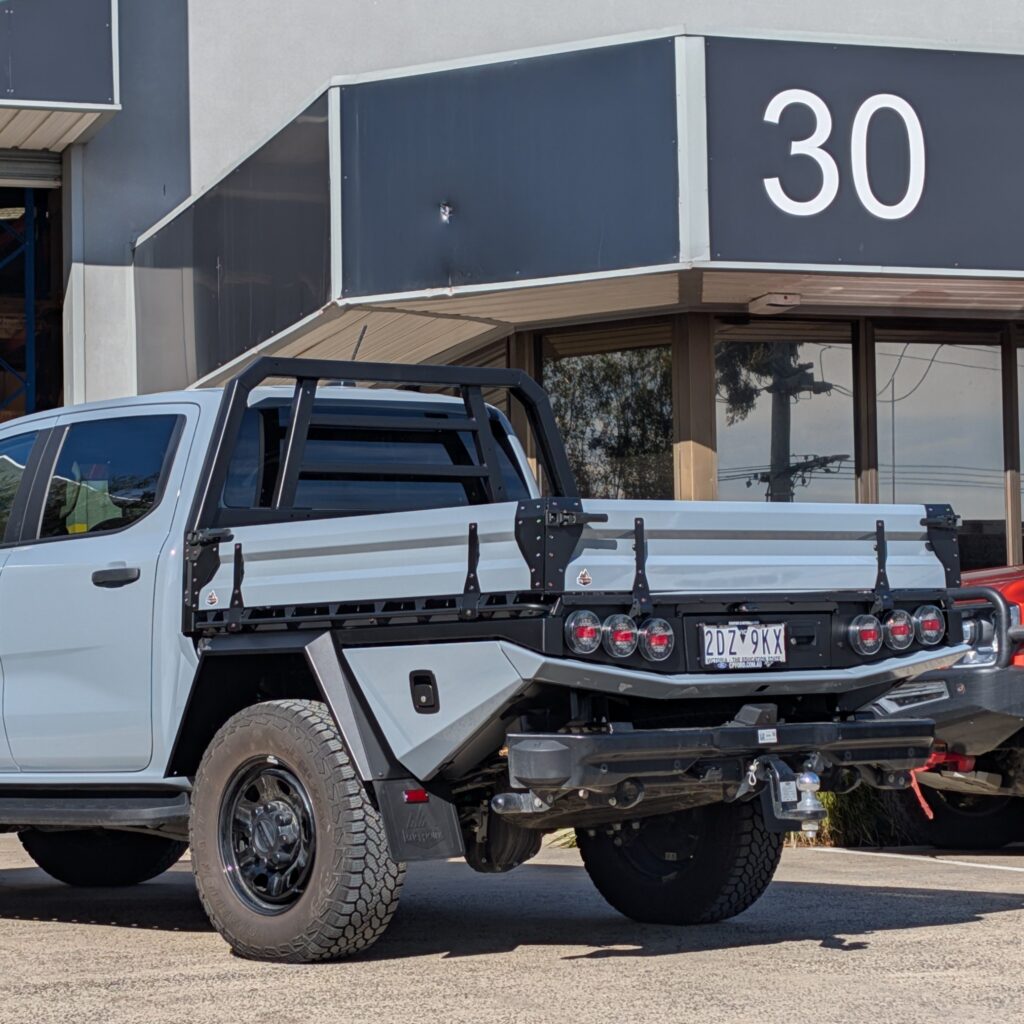
A Horizon tray for the Ford Ranger Super Duty gives the build a proper foundation before the canopy, storage, electrical gear, and accessories are added. That matters because the Super Duty is usually bought for heavier work, towing, touring, or fleet use. The tray needs to carry real weight, handle regular loading, and support the rest of the fit-out without making the ute harder to use.
The Ranger Super Duty tray is designed for 2026+ dual cab and extra cab models, which gives buyers a clearer starting point when planning their setup. Cab type, tray length, body width, wheel arch design, sensor relocation, and canopy plans all affect how the finished vehicle will work.
That vehicle-specific approach is useful for buyers who want a cleaner result from the start. It reduces guesswork around fitment and helps the tray, canopy, and accessories work together as one setup.
The Horizon Tray range is built around lightweight steel and alloy construction, practical tie-down options, a removable headboard, durable finishes, and accessory flexibility. For the Ranger Super Duty, Trig Point also lists vehicle-specific details such as dual cab and extra cab sizing, 1865mm width, and flared wheel arches.
For trade buyers, that means a tougher base for tools, materials, ladders, and daily site use. For touring buyers, it gives the canopy and storage system a dependable platform for longer trips, rough roads, and loaded travel.
A Ford Ranger Super Duty canopy will only work properly if the tray, mounting system, electrical layout, and storage plan are designed to suit the same outcome.
Good integration makes the finished setup easier to use every day. Doors open where they should, heavy items sit in sensible locations, wiring is protected, and future accessories can be added without messy rework.
The tray and canopy need to suit the Ranger Super Duty’s dimensions, mounting points, and body profile. This is especially important for buyers comparing dual cab and extra cab setups, as tray length, storage needs, and load placement can change between models.
A purpose-built Ford Ranger Super Duty canopy helps reduce guesswork around fitment. It also gives buyers a cleaner path when planning drawers, roof accessories, water storage, spare wheel placement, and trade storage.
Electrical planning should happen early. Lighting, central locking, fridge power, solar, battery systems, water pumps, chargers, and reversing camera or sensor requirements can all affect the final fit-out.
For touring buyers, this might mean planning fridge access, solar input, camp lighting, and charging points before the canopy is fitted. For trade buyers, it could mean internal lighting, tool charging, secure locking, and easy access to the gear used every day.
Payload can disappear quickly once drawers, tools, water, batteries, roof gear, recovery equipment, and towing accessories are added. The setup needs to keep weight practical and well placed.
Heavy items should sit low where possible, with frequently used gear kept within easy reach. This helps the Super Duty stay more stable, more organised, and easier to work from during daily use or long-distance touring.
A good tray and canopy setup should protect gear from dust, rain, and rough conditions while keeping access simple. That matters for tradies pulling tools out several times a day, and for tourers setting up camp after hours on the road.
The best setups feel easy after the first week. Doors open cleanly, lighting sits where it’s useful, gear has a proper home, and the ute works the way it was planned to work.
A proper Ranger Super Duty fit out starts with a few practical decisions. Getting these sorted early helps Trig Point recommend the right tray, canopy, storage layout, and accessory pathway before parts are ordered or fitting is booked. You need to confirm:
For buyers planning a canopy, early planning gives the finished build a better chance of arriving organised, functional, and ready for the job it was bought to do.
A Ford Ranger Super Duty canopy setup should be planned around the way the ute will actually be used. Tray choice, canopy fitment, payload, storage, electrical needs, and accessory planning all shape how practical the vehicle feels once it’s on the road or on site.
For buyers planning a work, touring, or fleet setup, getting the fit-out sorted early can save time, reduce rework, and create a cleaner result from delivery. A purpose-built Ford Ranger Super Duty tray gives the build a stronger base for canopy integration, storage, tie-downs, and long-term use.To plan the right setup for your Super Duty, contact Trig Point to discuss Horizon Tray fitment, canopy options, accessories, and the best layout for your specific use case.
What’s The Best Ford Ranger Super Duty Canopy Setup?
The best Ford Ranger Super Duty canopy setup depends on how the ute will be used. Trade buyers usually need secure tool storage, lighting, weather sealing, and quick access. Touring buyers often need fridge space, drawers, water, solar, recovery gear, and camp-friendly storage.
Can I Fit A Tray And Canopy To A Ford Ranger Super Duty?
Yes, a Ford Ranger Super Duty tray and canopy setup can be planned for trade, touring, and fleet use. The key is choosing compatible components from the start so the tray, canopy, mounting, wiring, and accessories work as one system.
Why Does Payload Matter When Choosing A Super Duty Canopy?
Payload affects how much gear the vehicle can safely carry once the tray, canopy, tools, drawers, water, batteries, roof gear, and towing accessories are added. A well-planned setup keeps weight practical and places heavier items low where possible.
Is A Horizon Tray Suitable For The Ford Ranger Super Duty?
Yes, the Horizon tray for the Ford Ranger Super Duty is designed as a strong base for work, touring, and canopy integration. It helps support storage, tie-downs, accessory planning, and long-term daily use.
When Should I Plan My Ranger Super Duty Fit-Out?
Plan the Ranger Super Duty fit out before or soon after ordering the vehicle. Early planning helps confirm cab type, tray choice, canopy needs, electrical requirements, accessories, lead times, and fitting schedules before delivery.
Our lead time can be over 12 weeks during busy periods.